 |
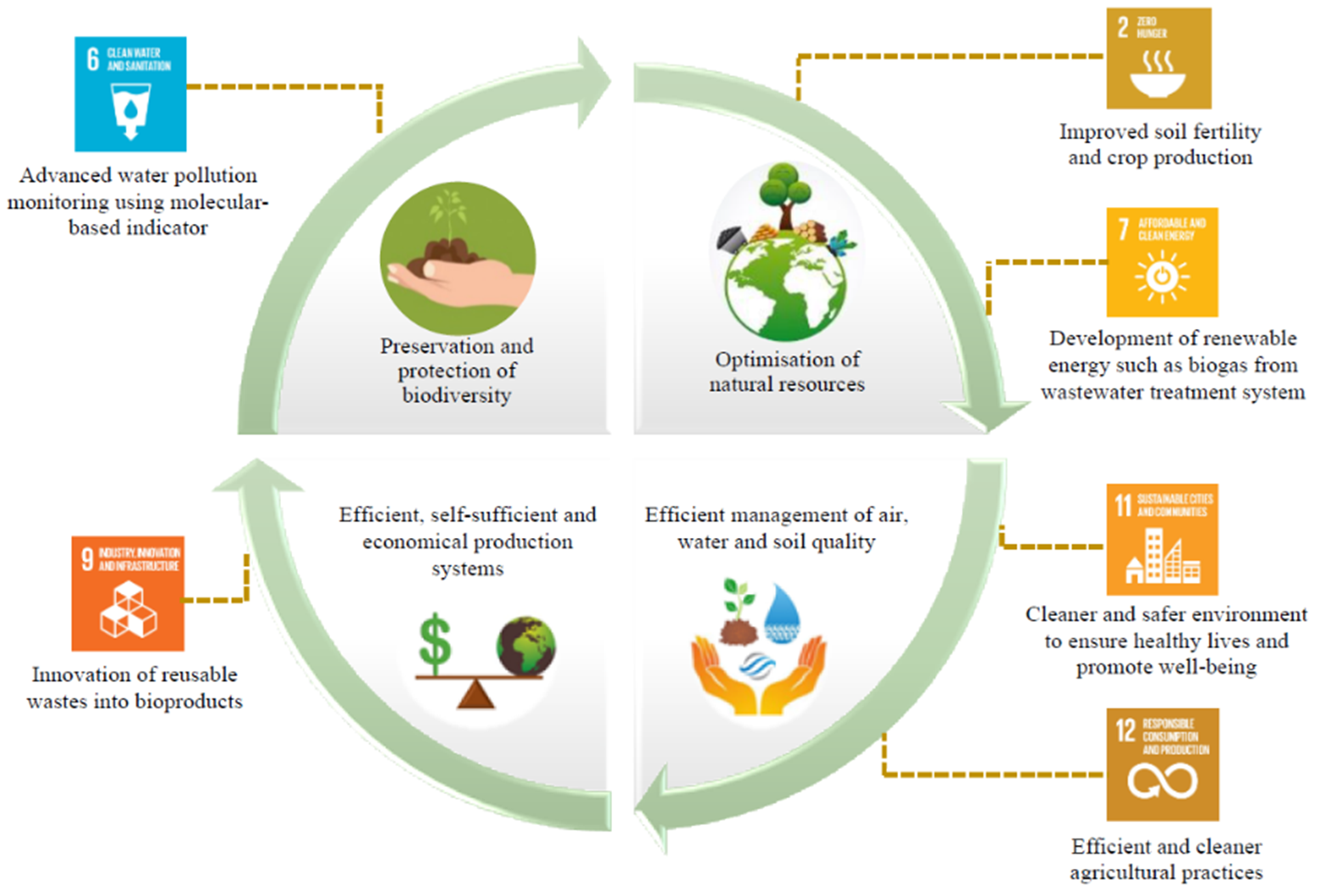
Advancing the key principles of sustainable industrial agriculture and related SDGs through microbiome-based innovations (Source: Sharuddin et al., 2022)
|
| |
|
Unveiling the Microbiome: A Powerful Ally in Bioremediation
The microbiome, an intricate ecosystem of microorganisms such as bacteria, fungi, and yeast, is essential in bioremediation—the process of breaking down or transforming pollutants into less harmful substances. Microbes within the microbiome excel at degrading various pollutants:
- Organic Pollutants: Includes substances from petroleum, pharmaceuticals, and personal care products.
- Heavy Metals: Inorganic pollutants that can accumulate in the environment and impact human health and ecosystems.
The microbiome contributes to bioremediation in several ways beyond simple degradation:
- Biocontrol Agents: Certain microbes suppress harmful pathogens.
- Pollution Biomonitoring/Bioindicators: The composition of the microbiome offers insights into environmental health and pollutant presence.
| |
|
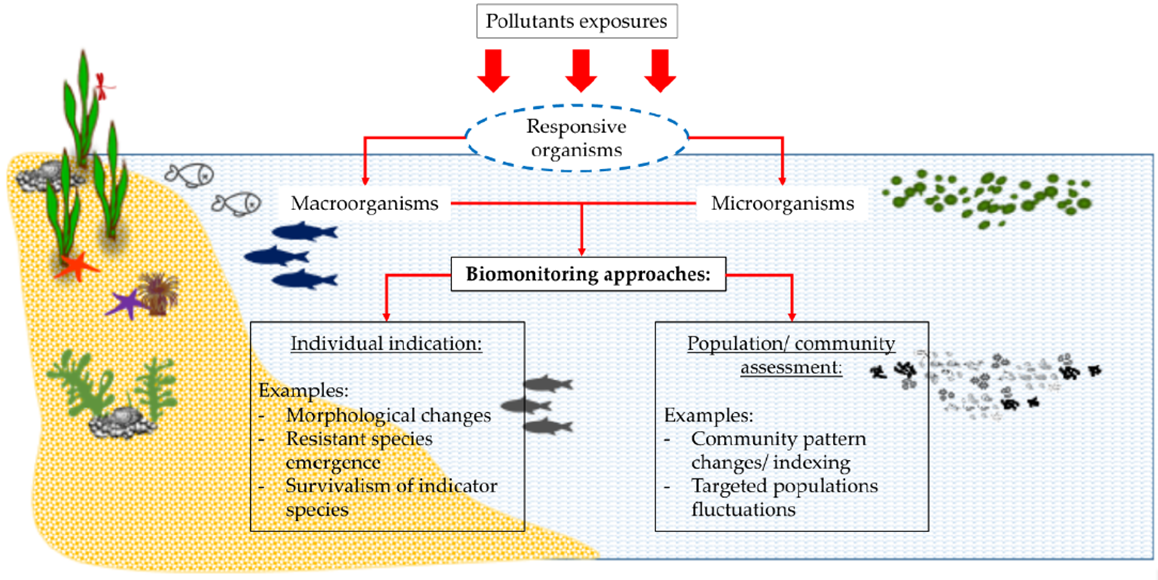 |
Biomonitoring aquatic pollution (Source: Zolkefli et al., 2020)
|
| |
|
To maximize the microbiome’s potential, research focuses on:
- Microbial Community Assessment: Understanding the types and activities of microbes.
- Functional Genes Assessment and Gene Expression: Identifying genes responsible for pollutant degradation and their regulatory mechanisms.
- Metabolic Pathways: Mapping how microbes degrade pollutants.
Exploring the microbiome’s capabilities reveals its significant role in creating a cleaner and healthier world.
Updated:: 24/07/2024
MEDIA SHARING